
Collection: Mathematical Beauty
The geometry that inspires us is not merely decorative; it is mathematical and sacred. Fibonacci spirals, golden ratios, φ = 1.618…, fractal patterns, the Spira Mirabilis: the same equations that build shells, sunflowers, and galaxies. Each piece in this selection carries an equation and the beauty that results from it.

-
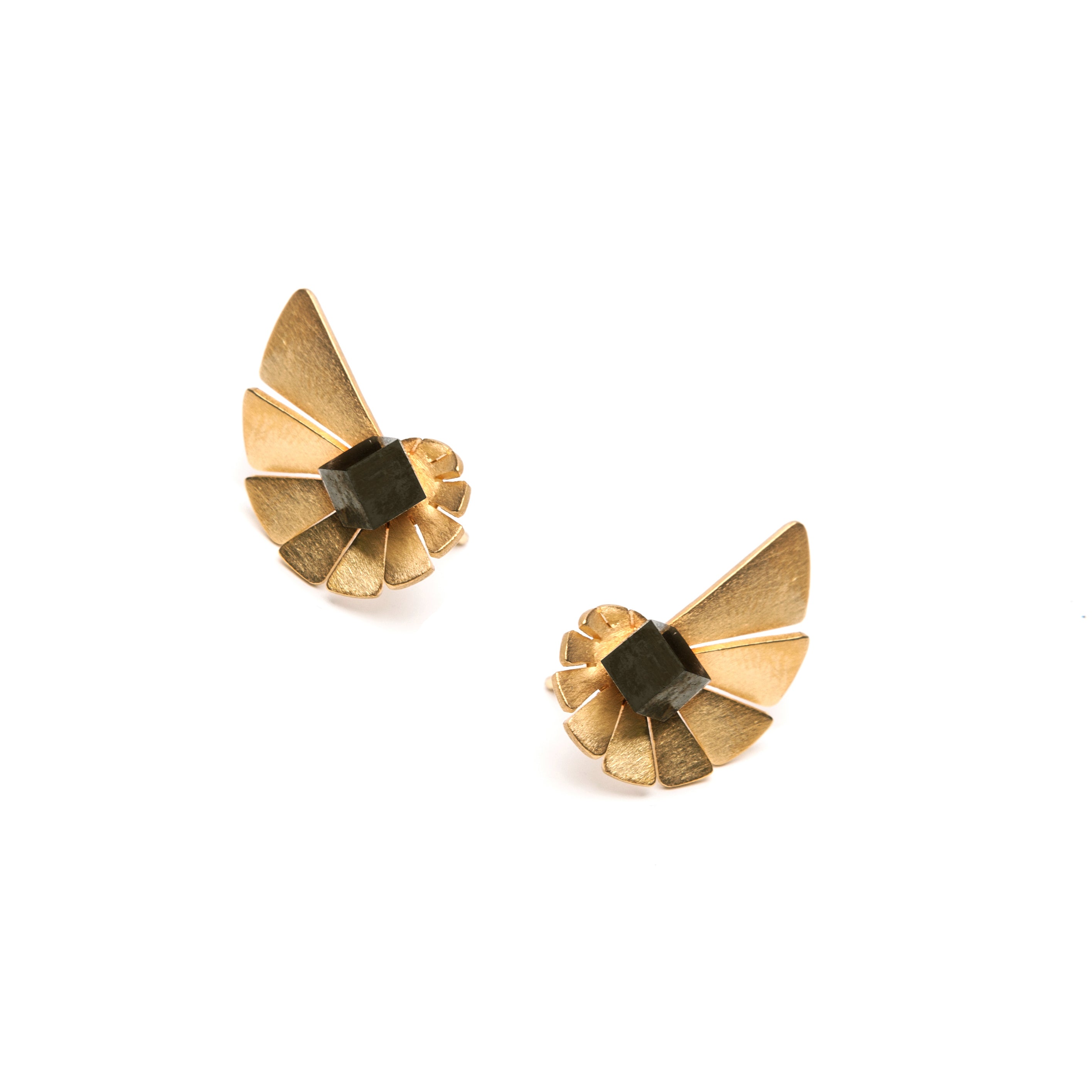

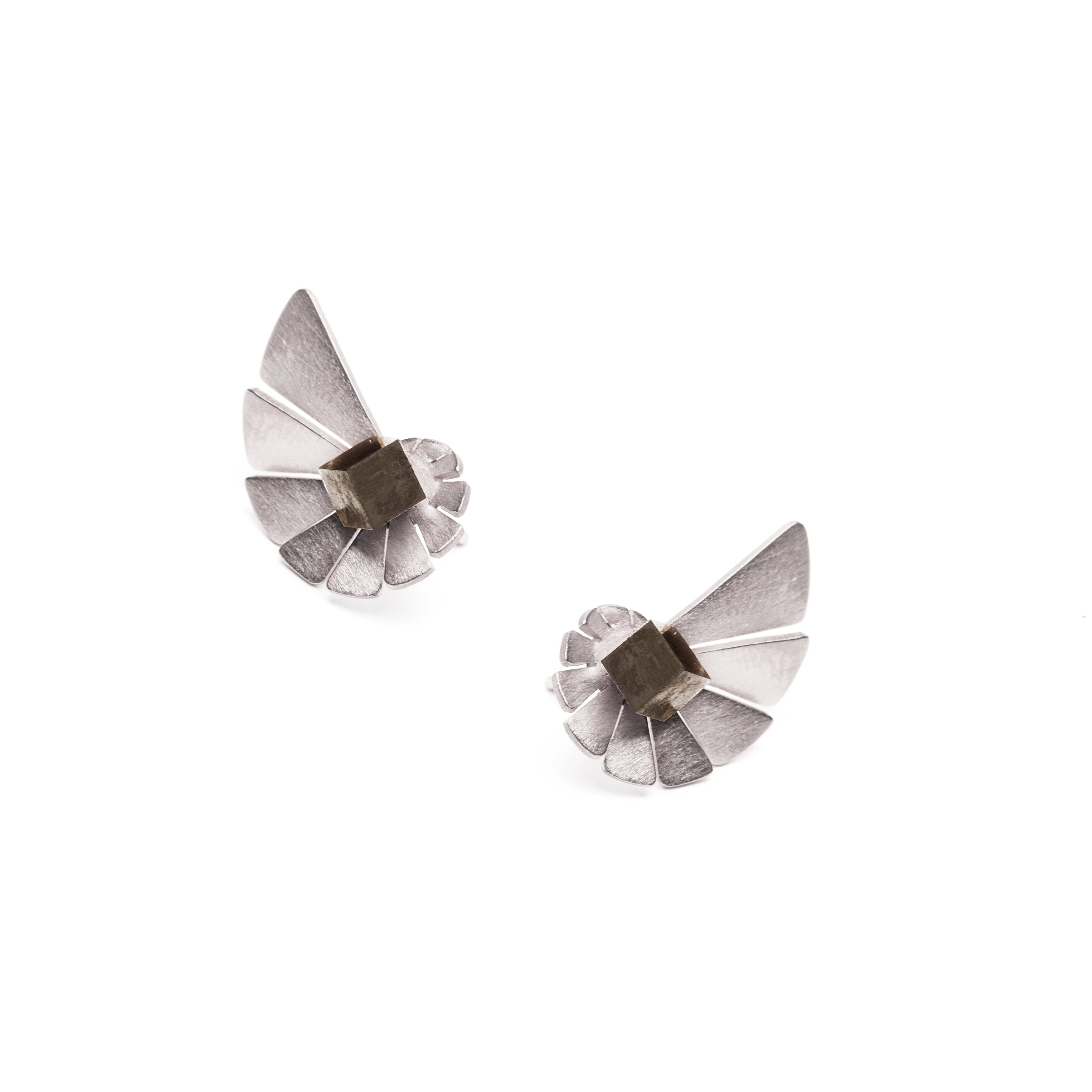
Mini Nautilus Toujour Earrings
Weight: 2.8g Materials: 925 silver, 24k gold plating, raw pyrites Finish: BrushedRegular price From €74,00Sale price From €74,00 Regular priceUnit price per -
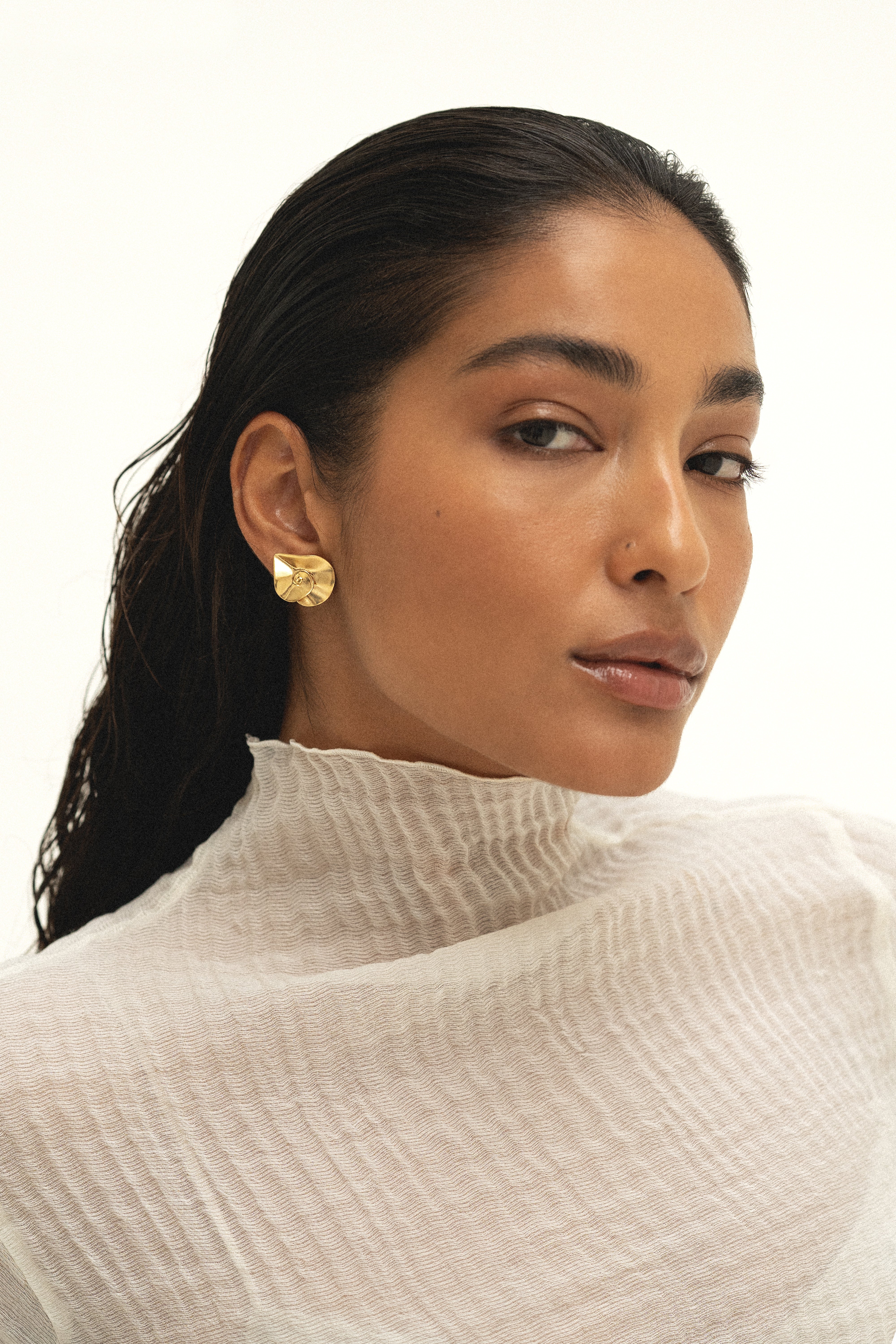

Namur I Earrings
Weight: 5.9g Materials: 925 Silver Finish: SatinRegular price €110,00Sale price €110,00 Regular priceUnit price per -
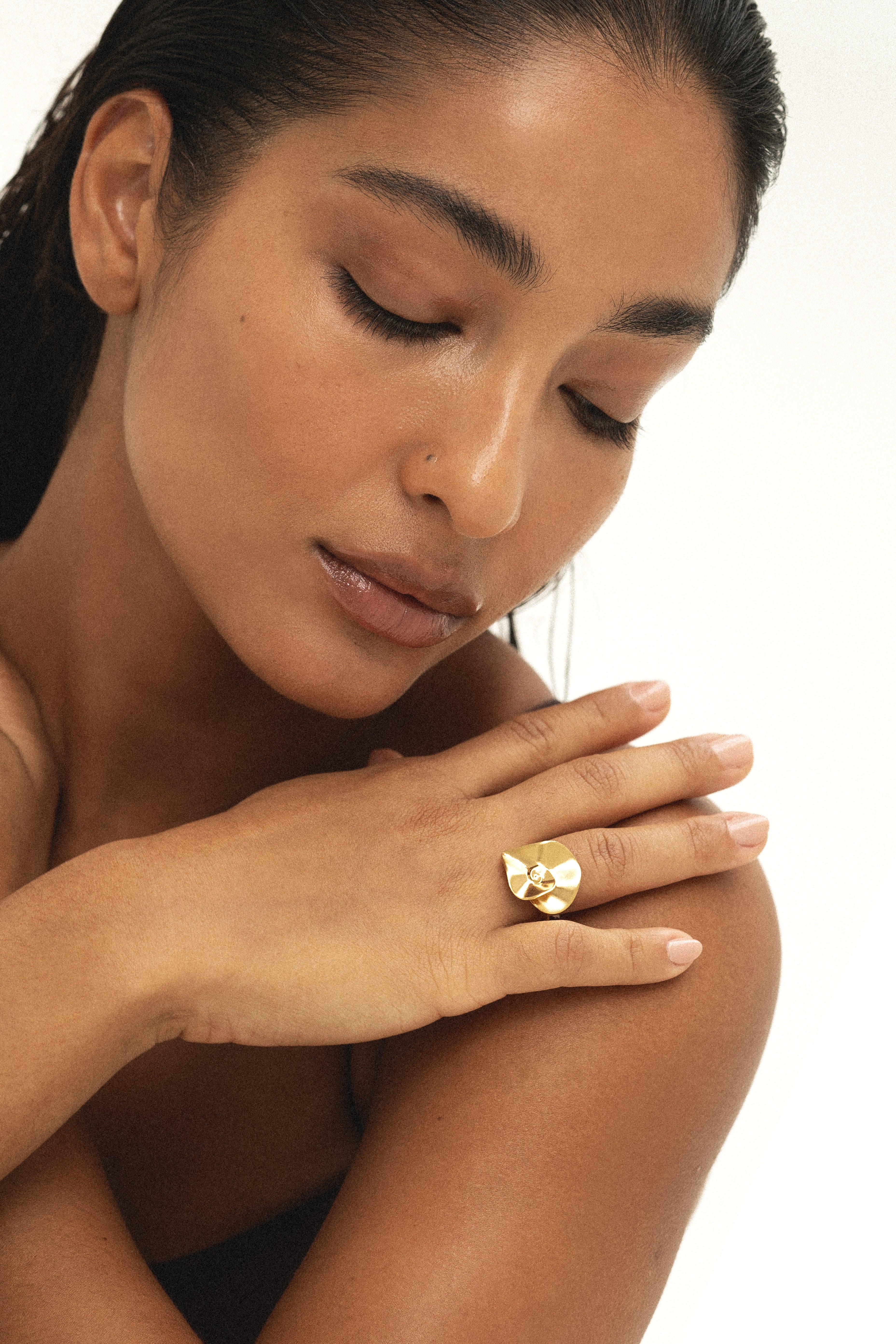

Namur Ring I
Weight: 4.7g Materials: 925 Silver Finish: Satin Ring Inside Diameter/Corresponding Size: Ø 16.0 mm – 10 Ø 16.6 mm – 12 Ø 17.2 mm – 14...Regular price €110,00Sale price €110,00 Regular priceUnit price per -
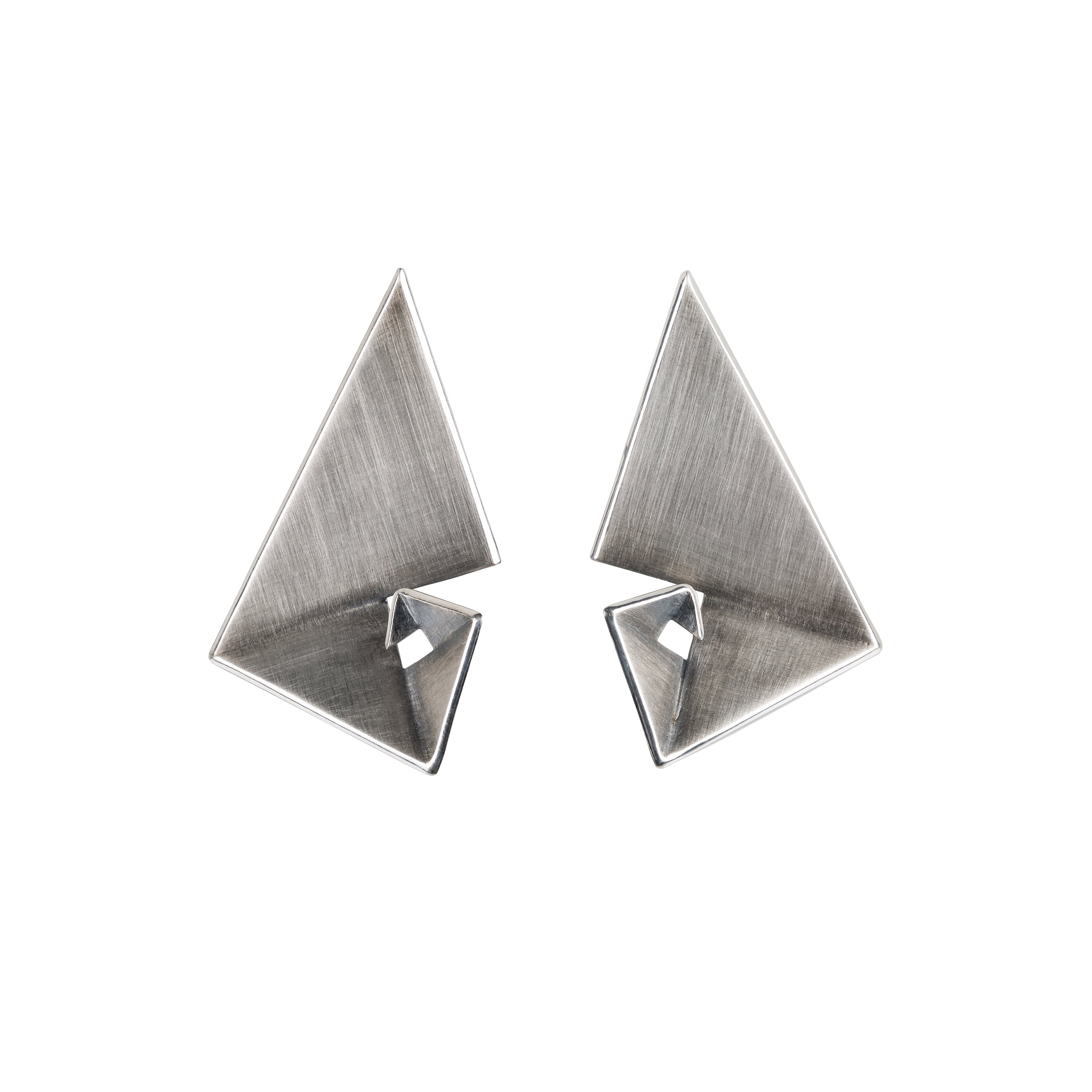

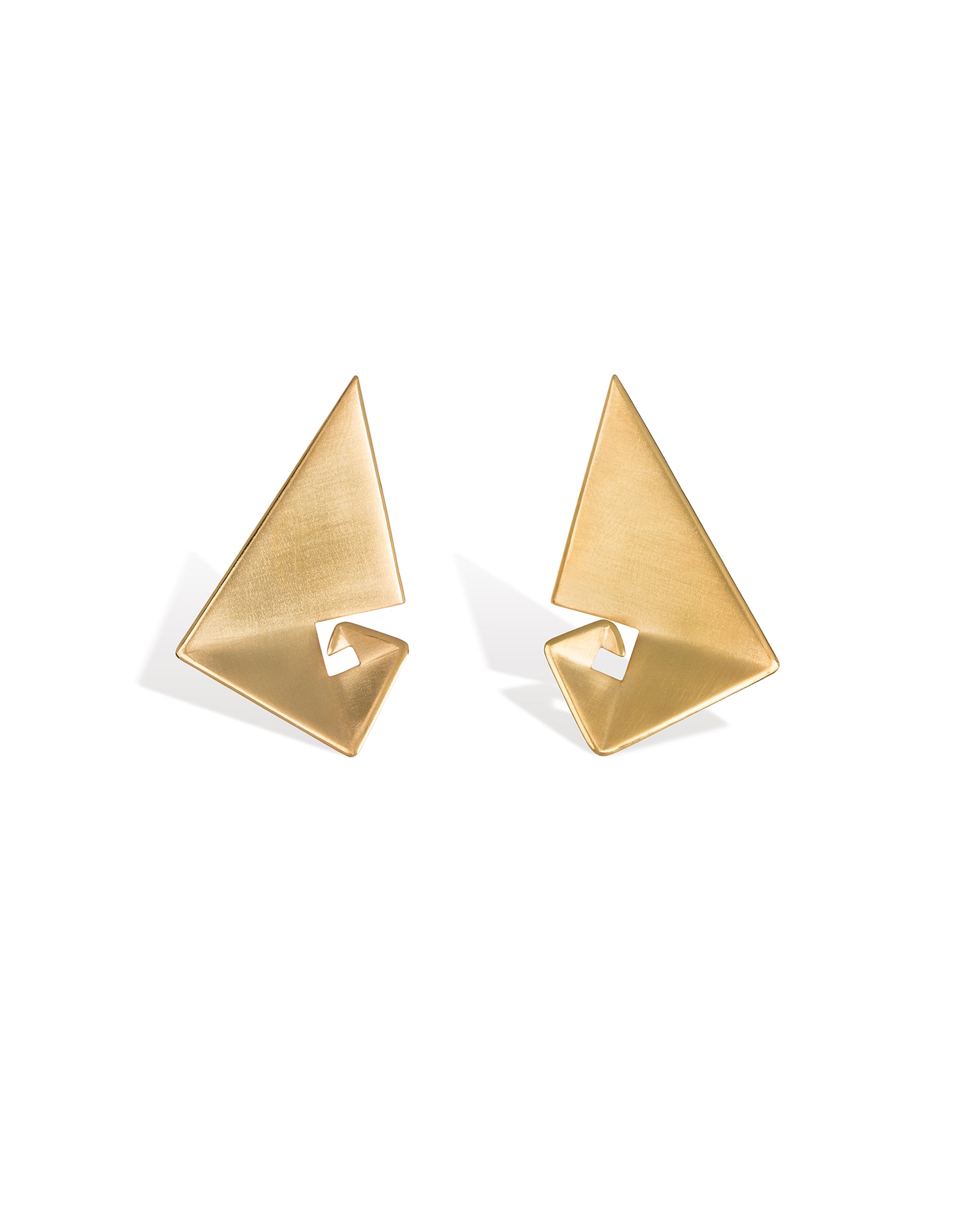
Phi Progressions I Earrings
Weight: 8.4g Materials: 925 Silver Finish: Brushed, polished (on the edges)Regular price From €160,00Sale price From €160,00 Regular priceUnit price per -
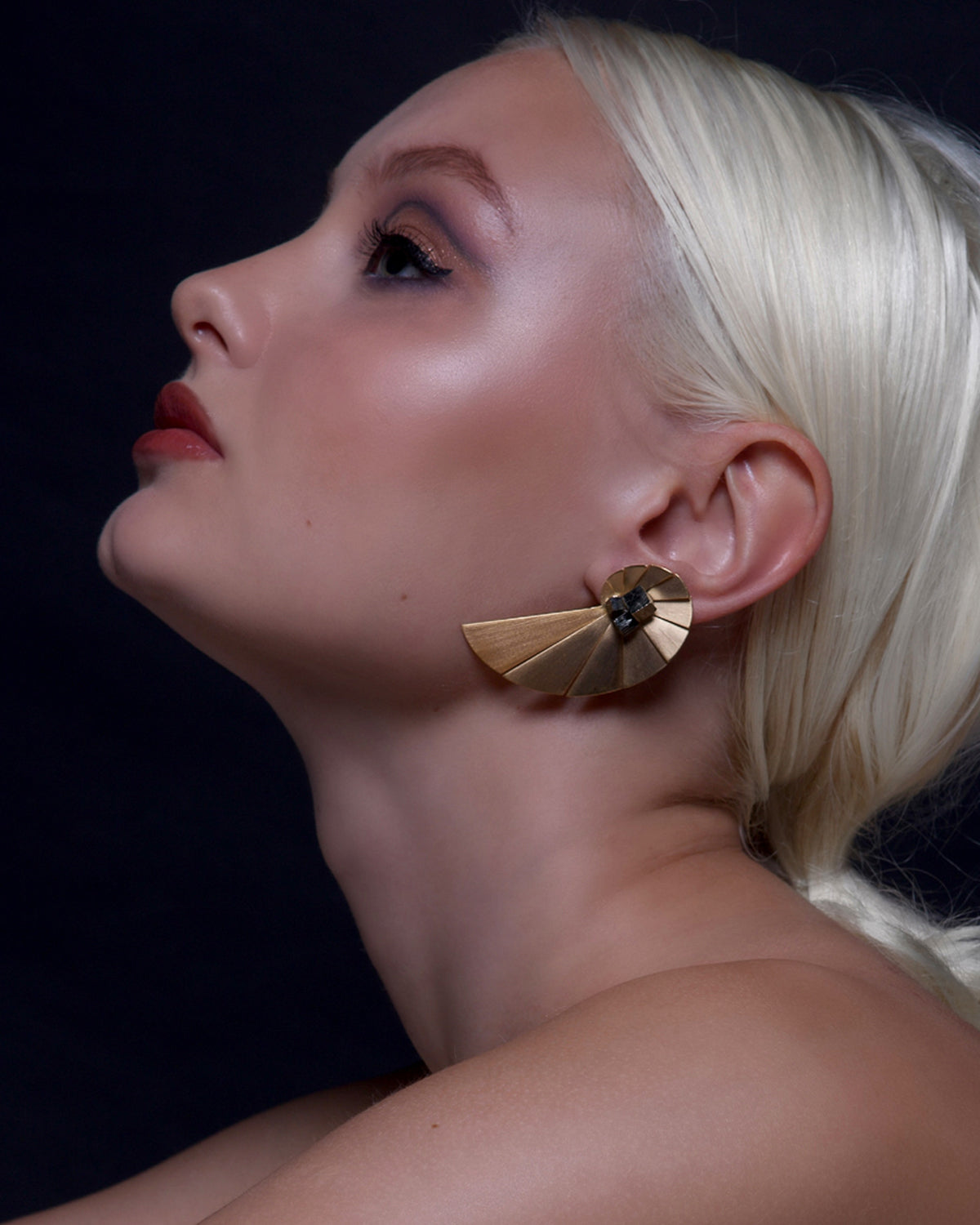

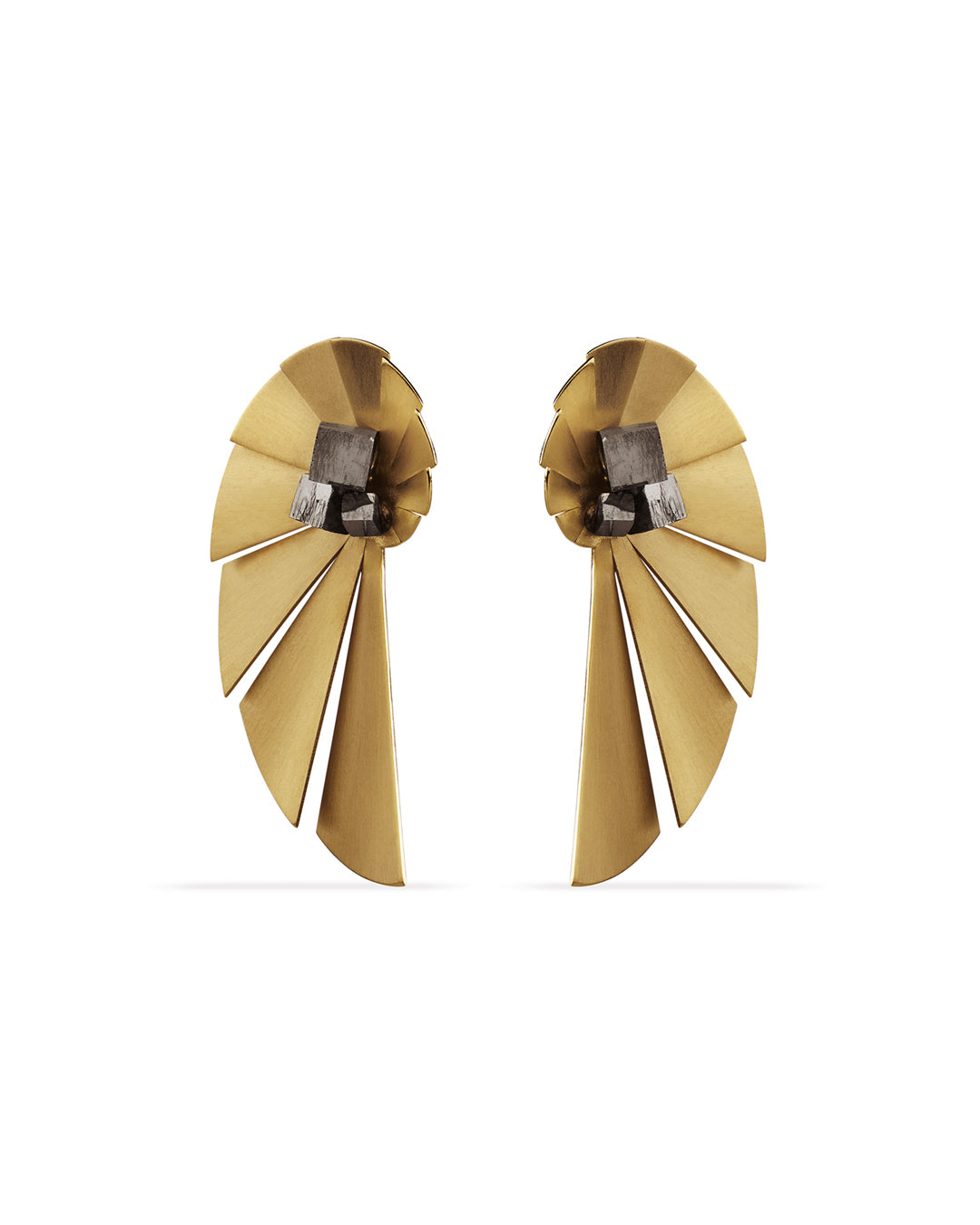
Nautilus Party II Earrings
The perfect statement earrings to shine at summer parties, weddings and the festive season. Weight: 14 g 925 silver, raw pyrites Finish: BrushedRegular price From €197,00Sale price From €197,00 Regular priceUnit price per -
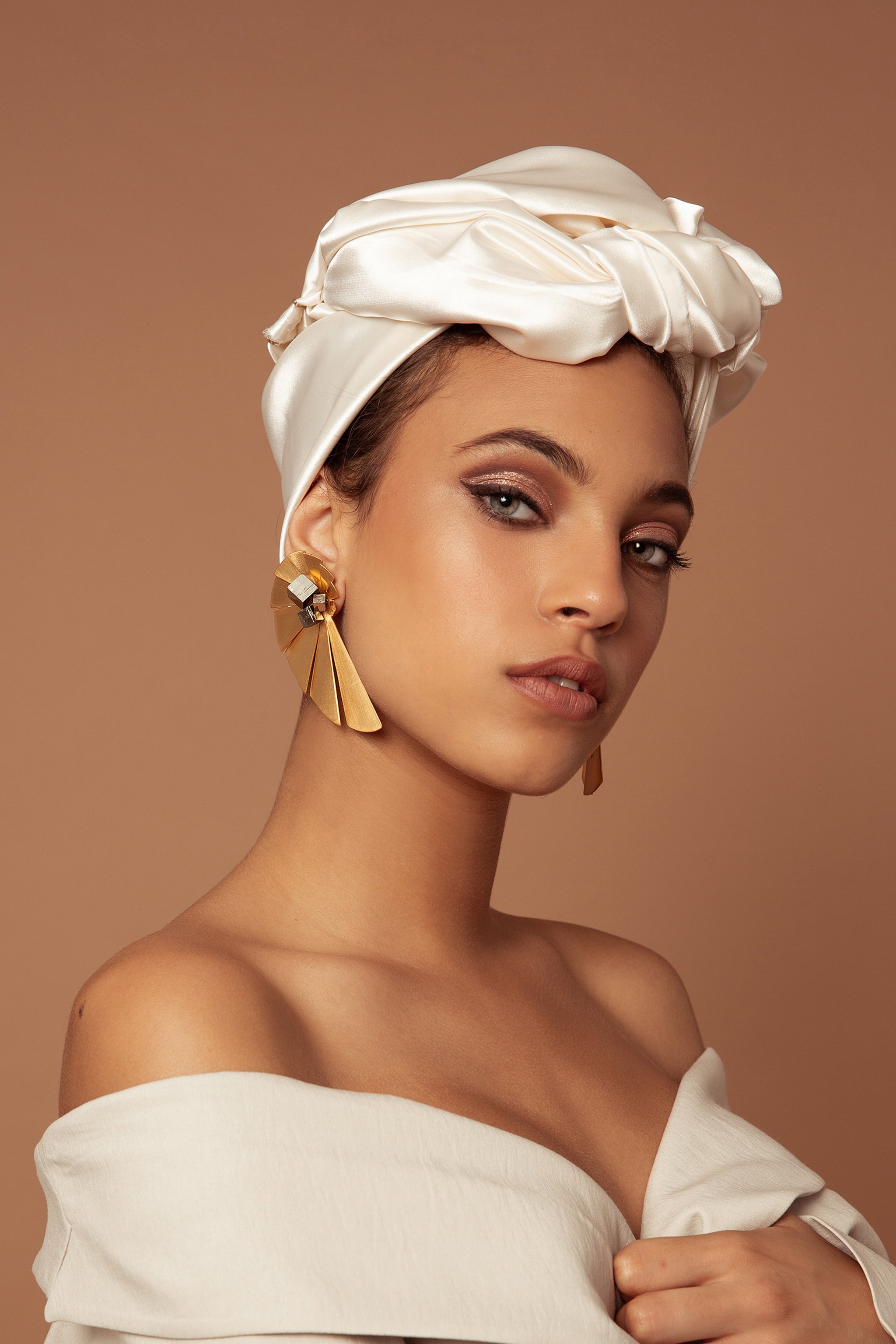

Nautilus Party Earrings
Weight: 46g Materials: Brass, 24k gold plating, raw pyrites Finish: BrushedRegular price €180,00Sale price €180,00 Regular priceUnit price per -


Nautilus Necklace
Weight: 17.2g Materials: 925 Silver, Pyrite Finish: Brushed Length: 45 cmRegular price €123,00Sale price €123,00 Regular priceUnit price per -
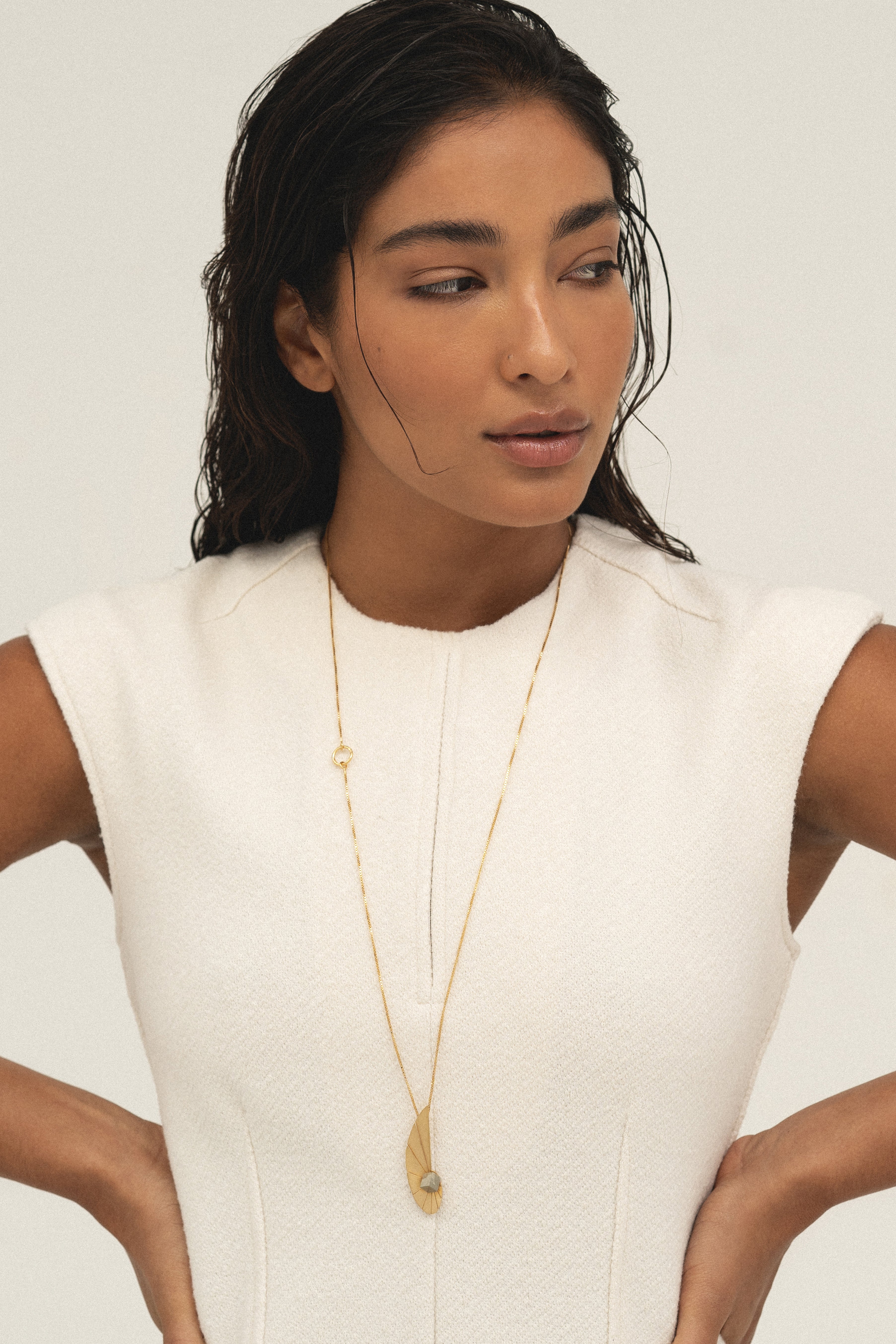

Colar Longo Nautilus Extended Dourado
O Colar Longo Nautilus Extended evoca a majestade da concha do nautilus através de uma espiral de Fibonacci reinterpretada em linhas geométricas douradas. O seu desenho...Regular price €160,00Sale price €160,00 Regular priceUnit price per -
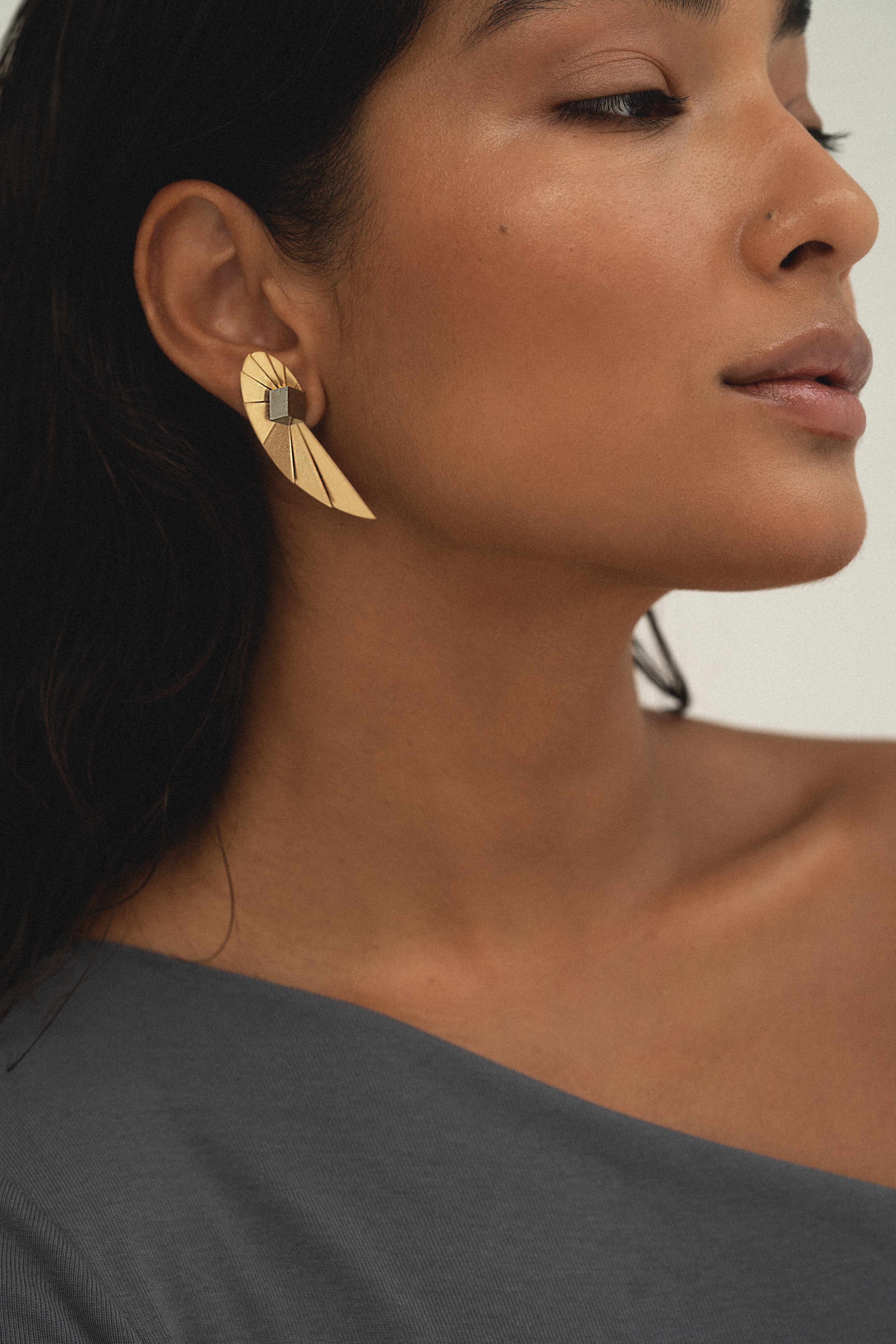

Brincos Nautilus Extended Dourados
Inspirados na concha do nautilus e na harmonia matemática da espiral de Fibonacci, os brincos Nautilus Extended celebram a beleza da geometria natural. Com design elegante...Regular price €135,00Sale price €135,00 Regular priceUnit price per -
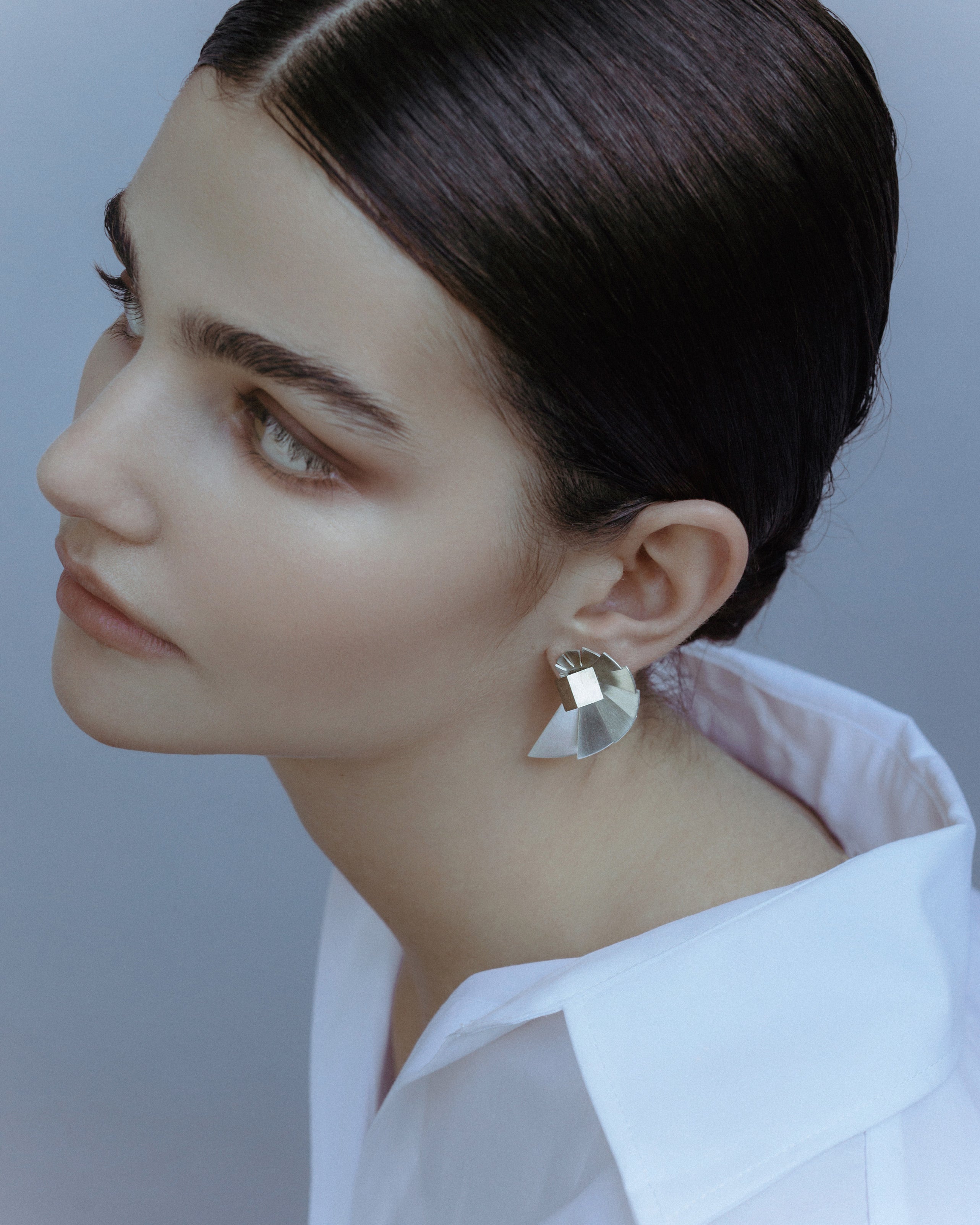

Nautilus Earrings
With an elegant geometric design and cubic pyrite details, the Nautilus earrings pay homage to the natural beauty of the Nautilus Pompilius shell, reflecting the perfection...Regular price €160,00Sale price €160,00 Regular priceUnit price per -
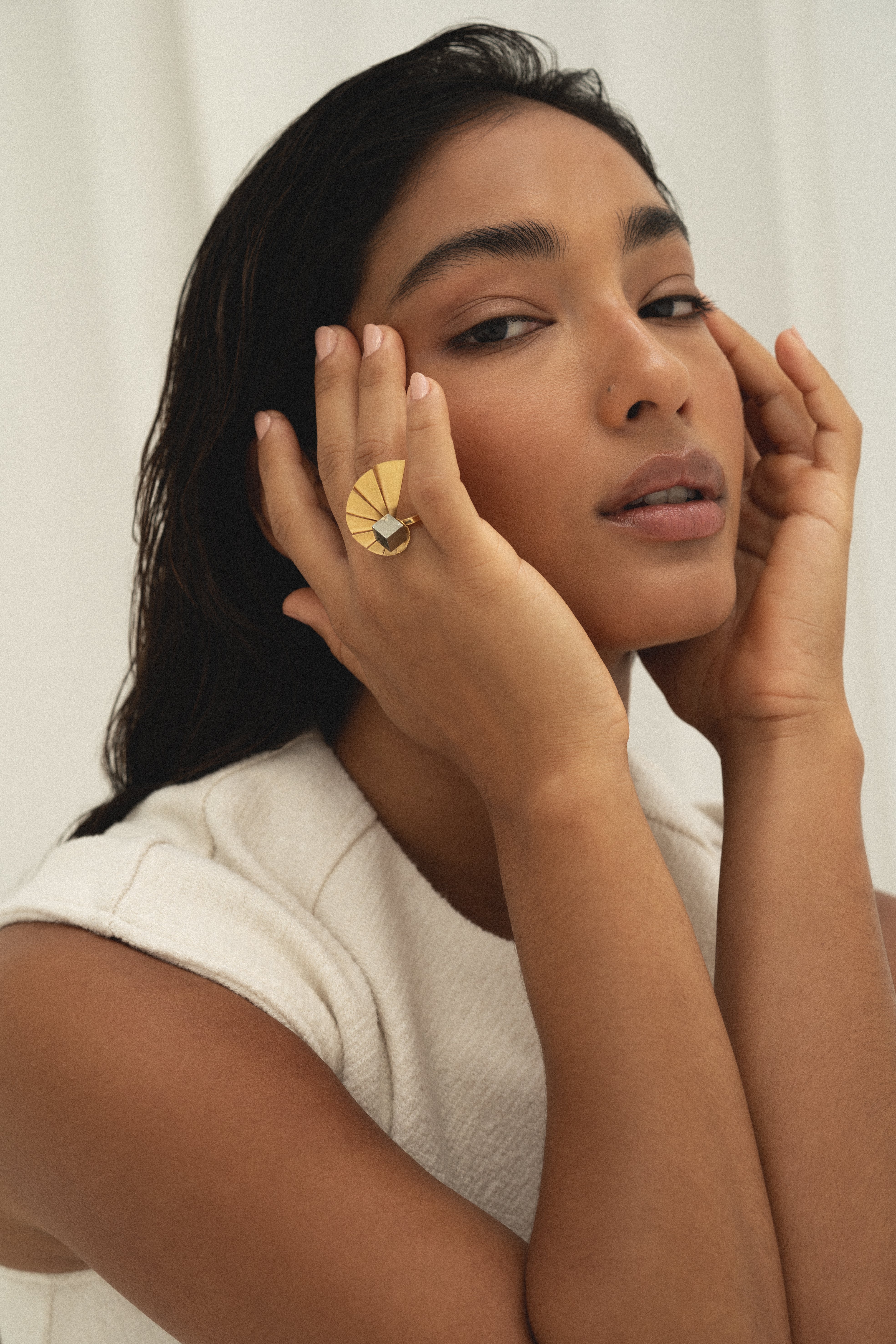

Anel Nautilus Dourado
O anel Nautilus dourado traduz em forma sólida a harmonia da espiral de Fibonacci, inspirada na concha Nautilus Pompilius. Com design geométrico preciso e acabamento dourado,...Regular price €135,00Sale price €135,00 Regular priceUnit price per -
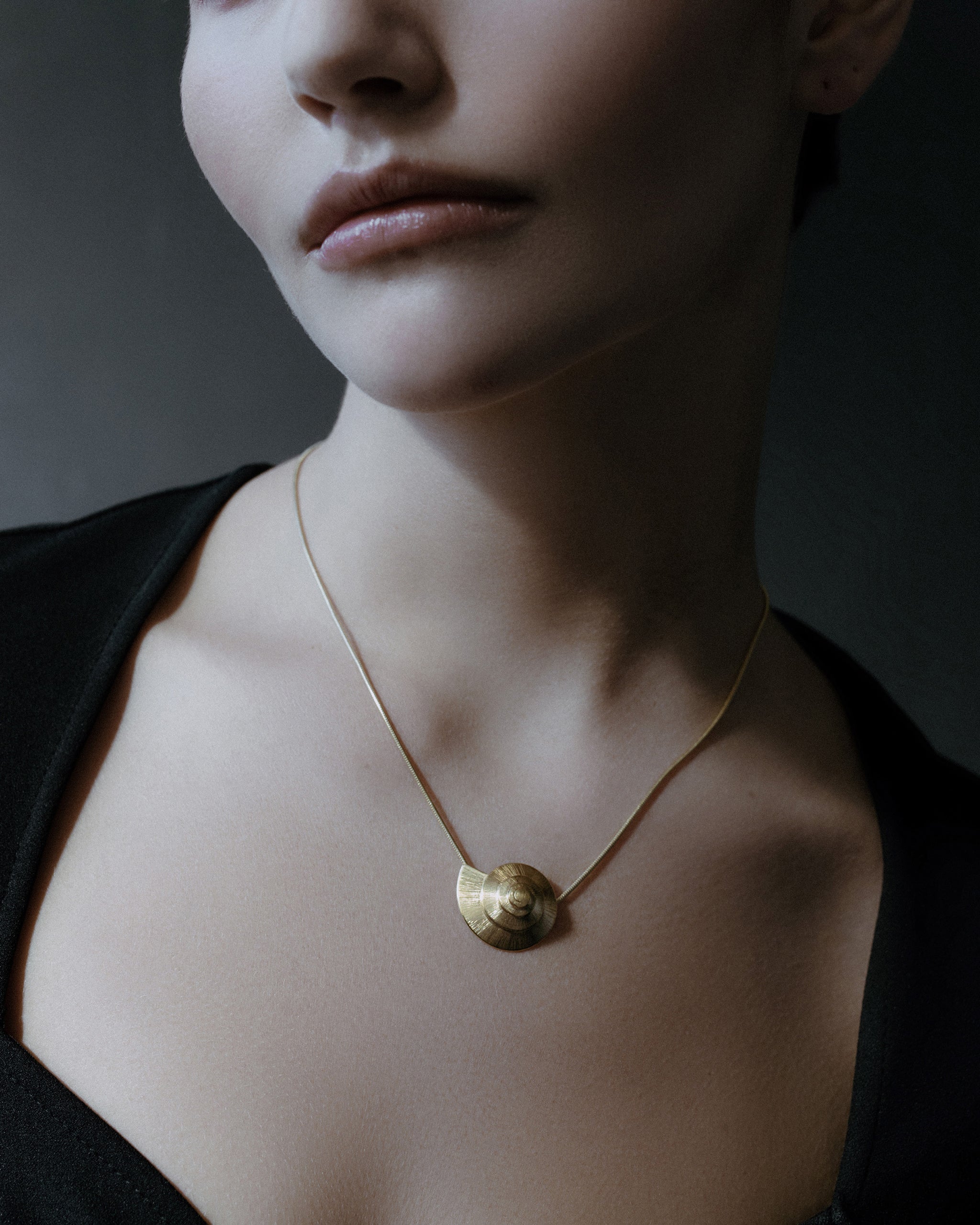

Mirabilis Necklace
Weight: 8.2g Materials: 925 silver, 24k gold plating Finish: Scratched Length: 45cmRegular price €148,00Sale price €148,00 Regular priceUnit price per -


Mirabilis II Earrings
Weight: 19.5g Materials: 925 silver, 24k gold plating Finish: ScratchedRegular price €215,00Sale price €215,00 Regular priceUnit price per -
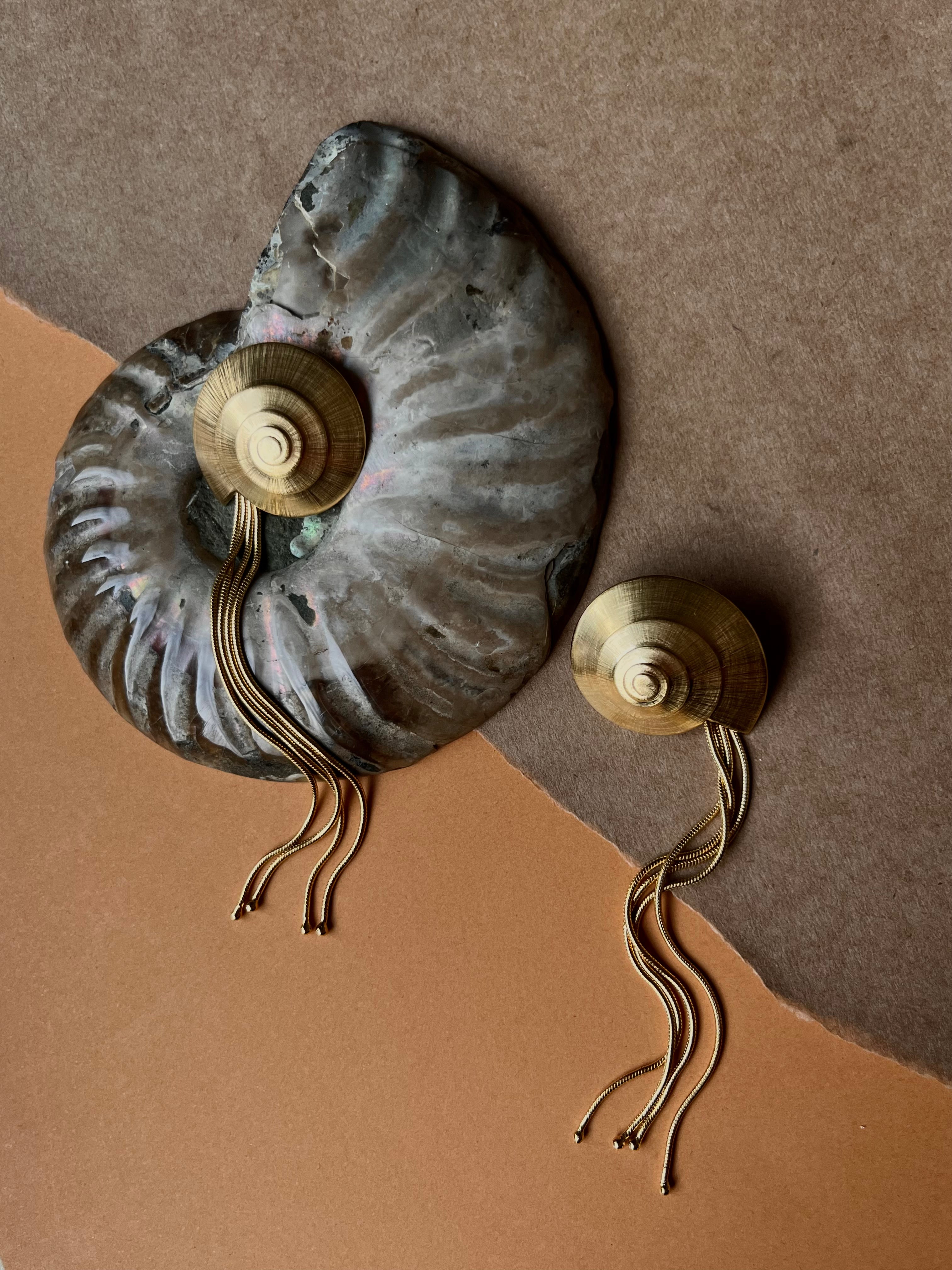

Mirabilis Long Earrings
Weight: 18.4g Materials: 925 silver, 24k gold plating Finish: Scratched and polishedRegular price €246,00Sale price €246,00 Regular priceUnit price per -
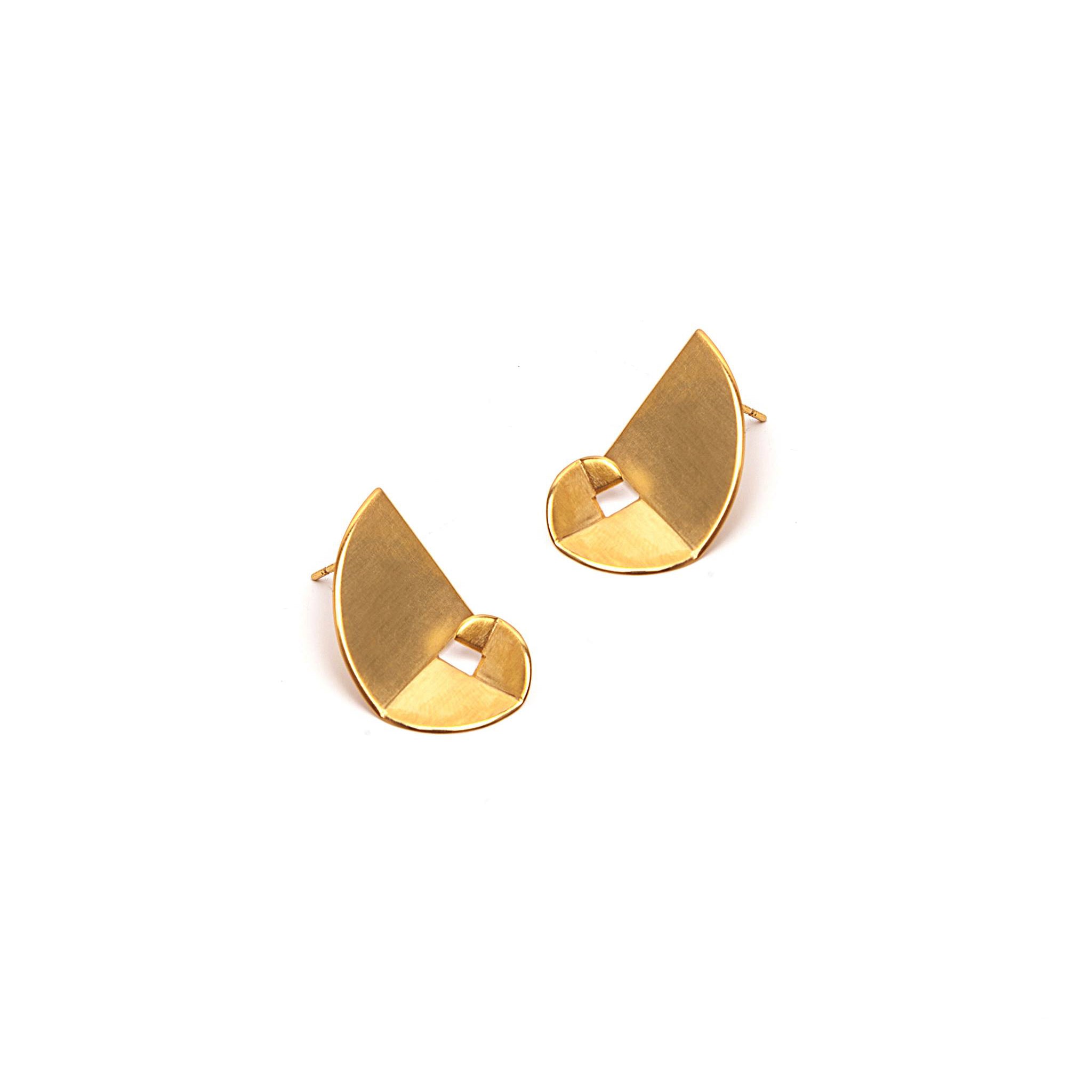

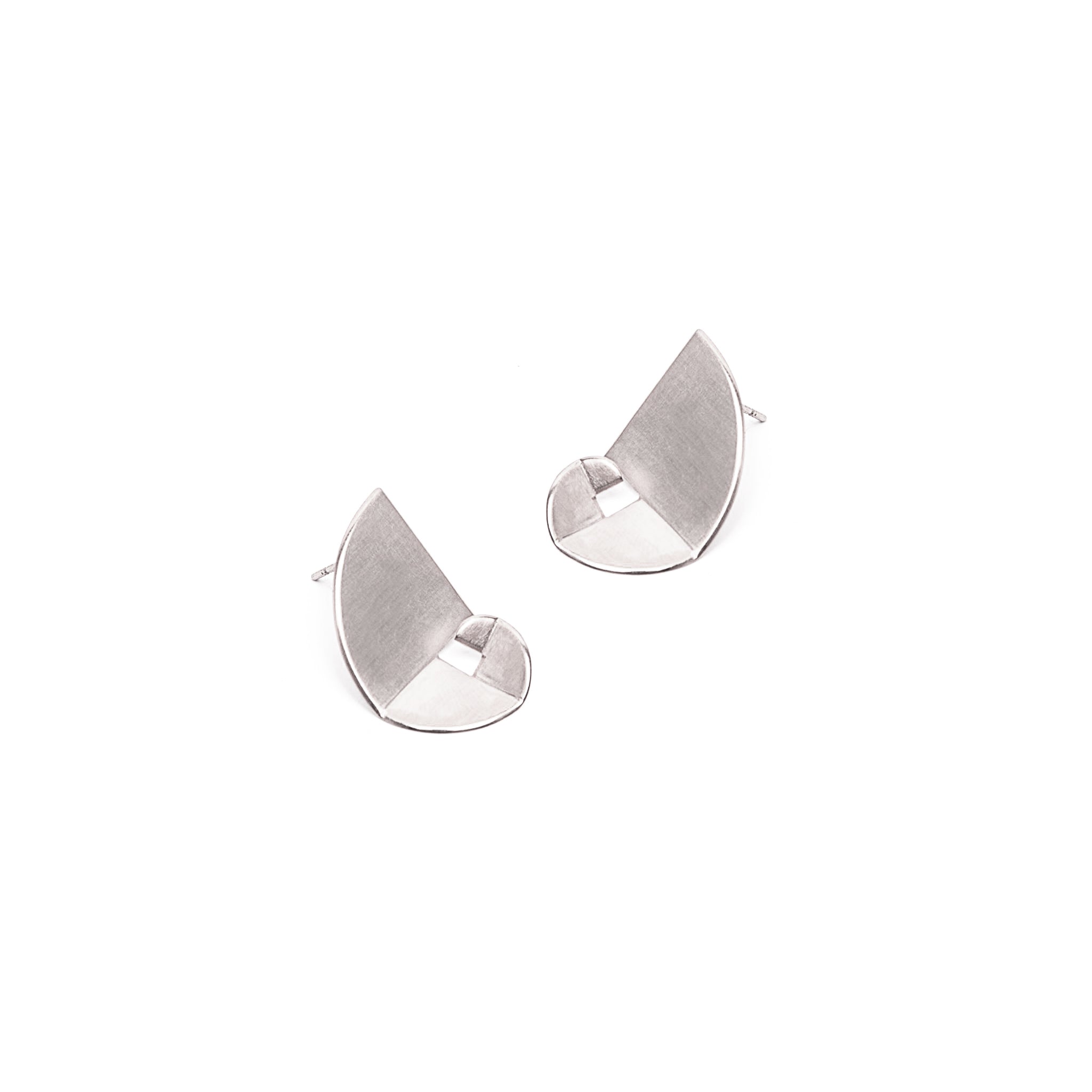
Golden Spiral I Earrings
Weight: 4.3g Materials: 925 silver, 24k gold plating Finish: Brushed, polished (edges)Regular price From €86,00Sale price From €86,00 Regular priceUnit price per -
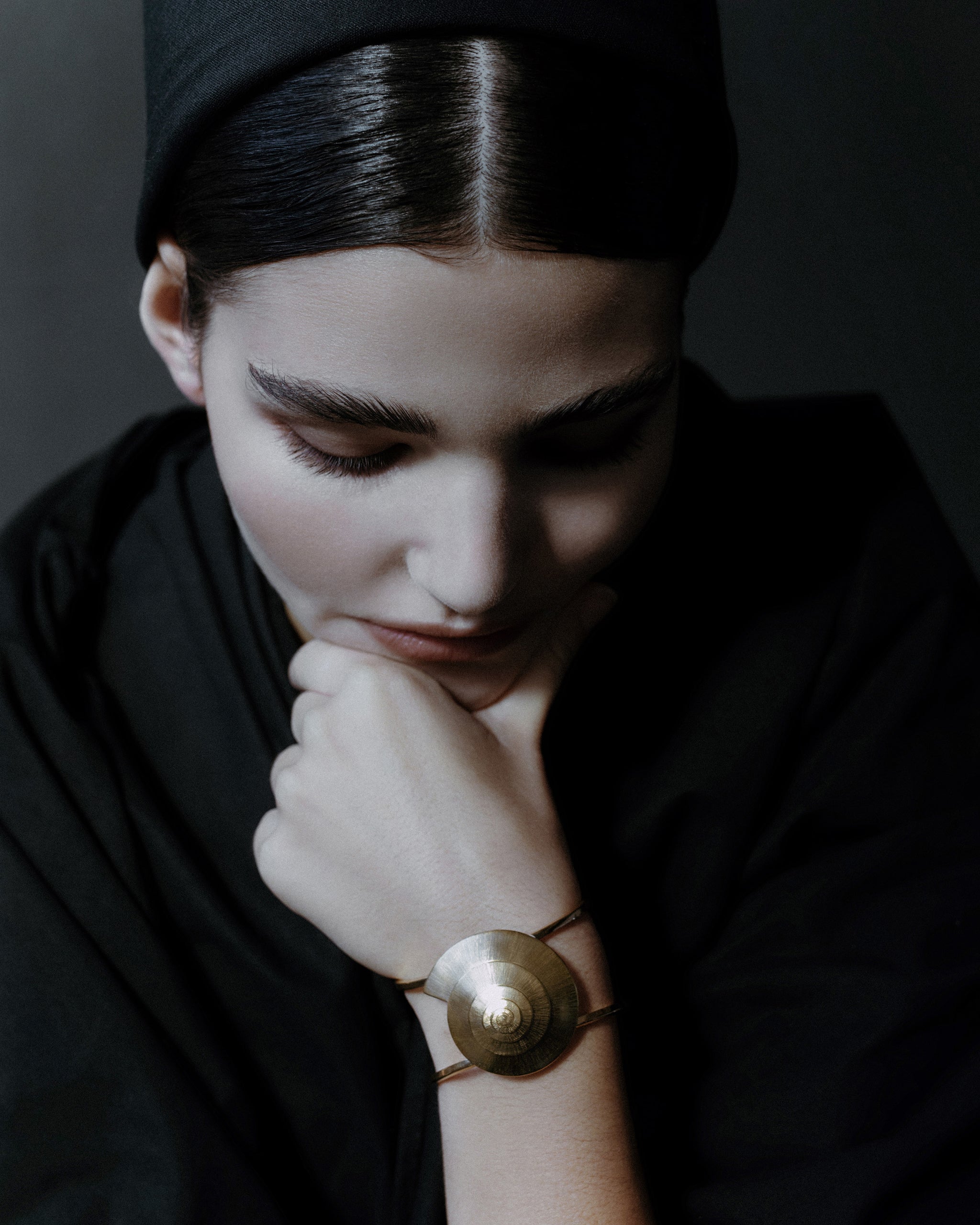

Mirabilis Bracelet
Weight: 29.2g Materials: 925 silver, 24k gold plating Finish: Scratched and polishedRegular price €370,00Sale price €370,00 Regular priceUnit price per -
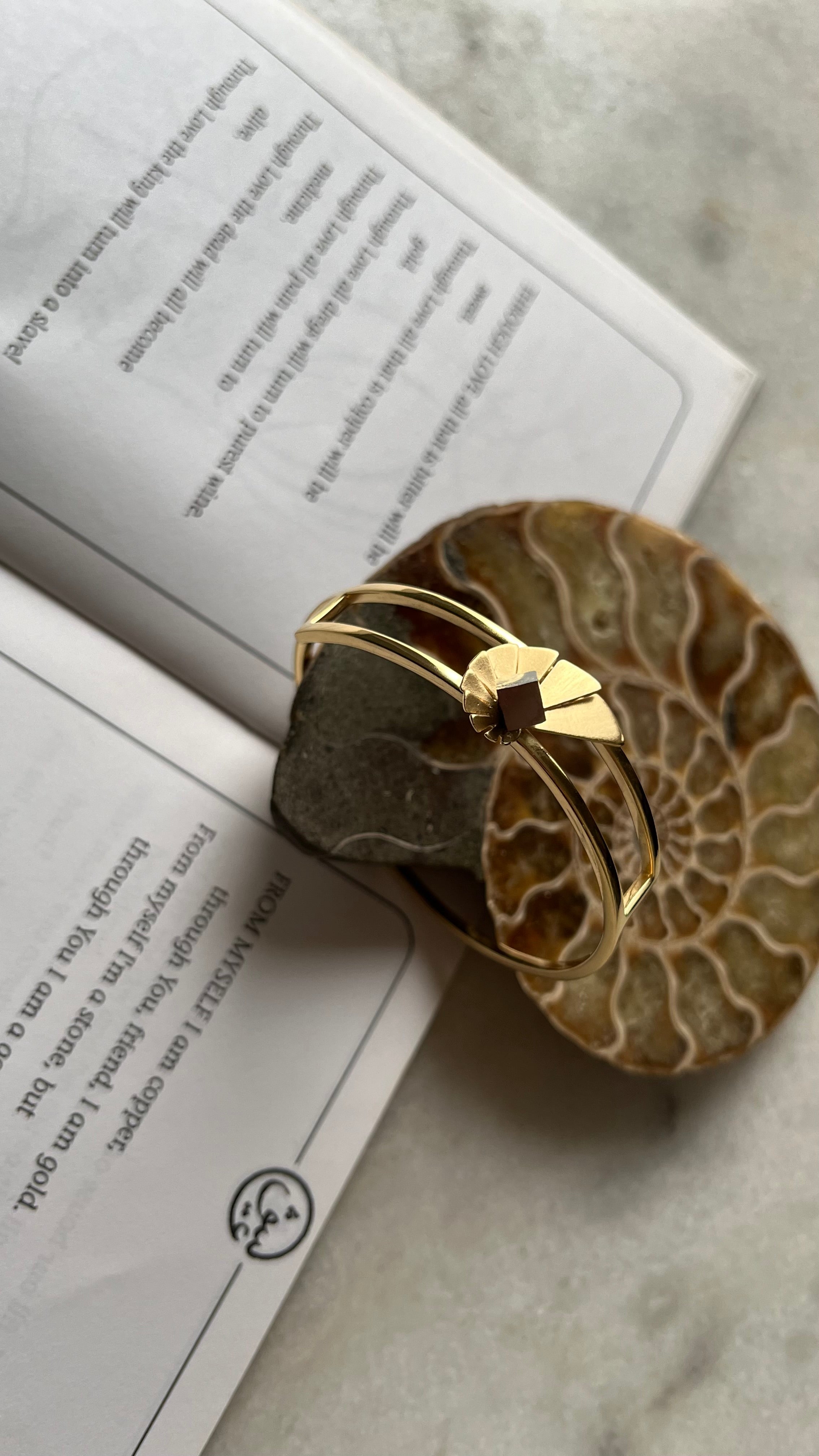

Nautilus Toujour Bracelet
Weight: 13.6g Materials: 925 silver, 24k gold plating, pyrite Finish: Brushed, polished (rim) Inner Diameter: 6 cmRegular price From €172,00Sale price From €172,00 Regular priceUnit price per -


Pregadeira Pearl Shell Polida
Pregadeira em prata dourada e pérola barroca Peso: 7.9g Materiais: Prata 925, banho de ouro 24k, pérola barroca Acabamento: PolidoRegular price €148,00Sale price €148,00 Regular priceUnit price per -
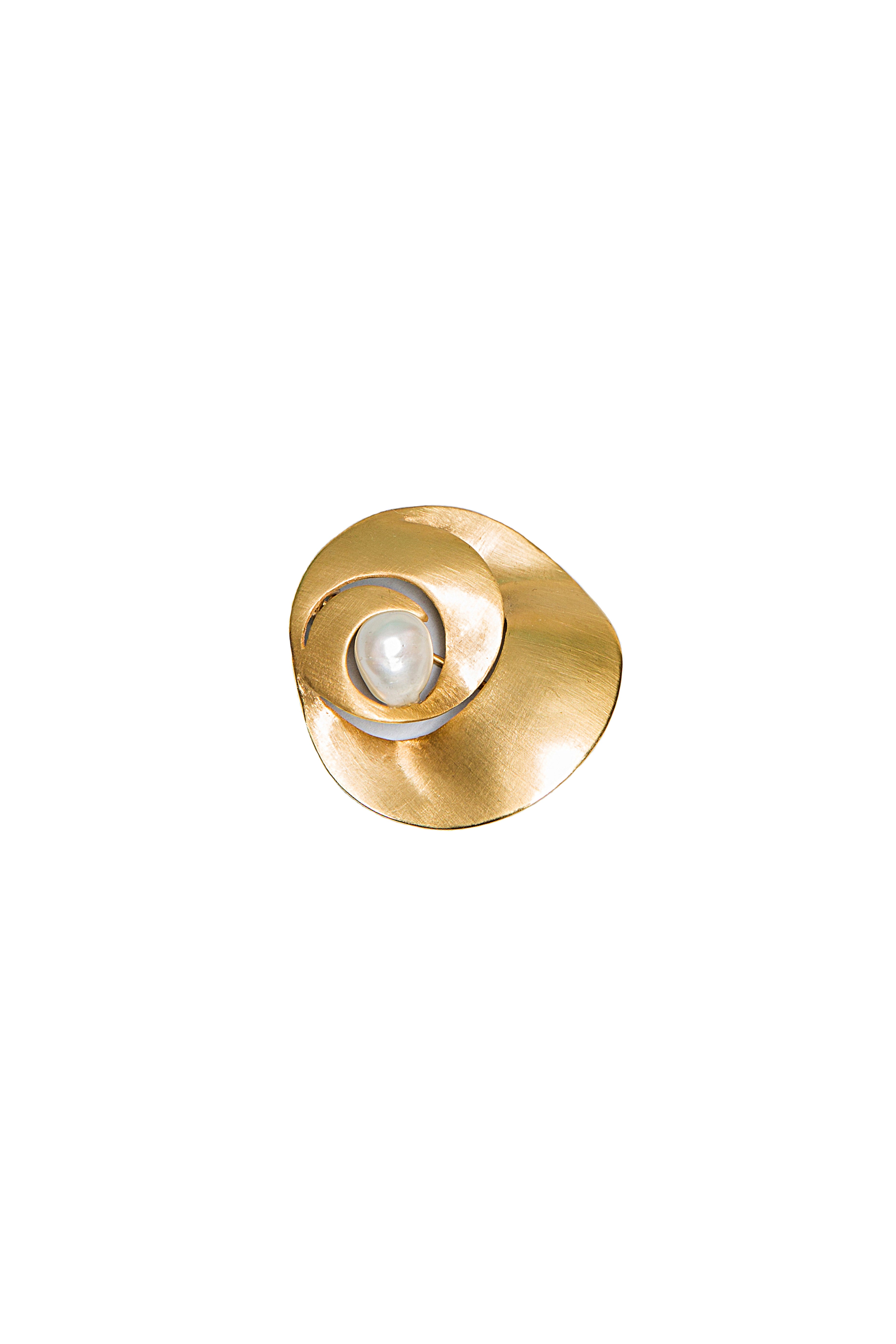

Pearl Shell Brooch
Brooch in gold plated silver and baroque pearl Weight: 7.9g Materials: 925 silver, 24k gold plating, baroque pearl Finish: BrushedRegular price €148,00Sale price €148,00 Regular priceUnit price per -
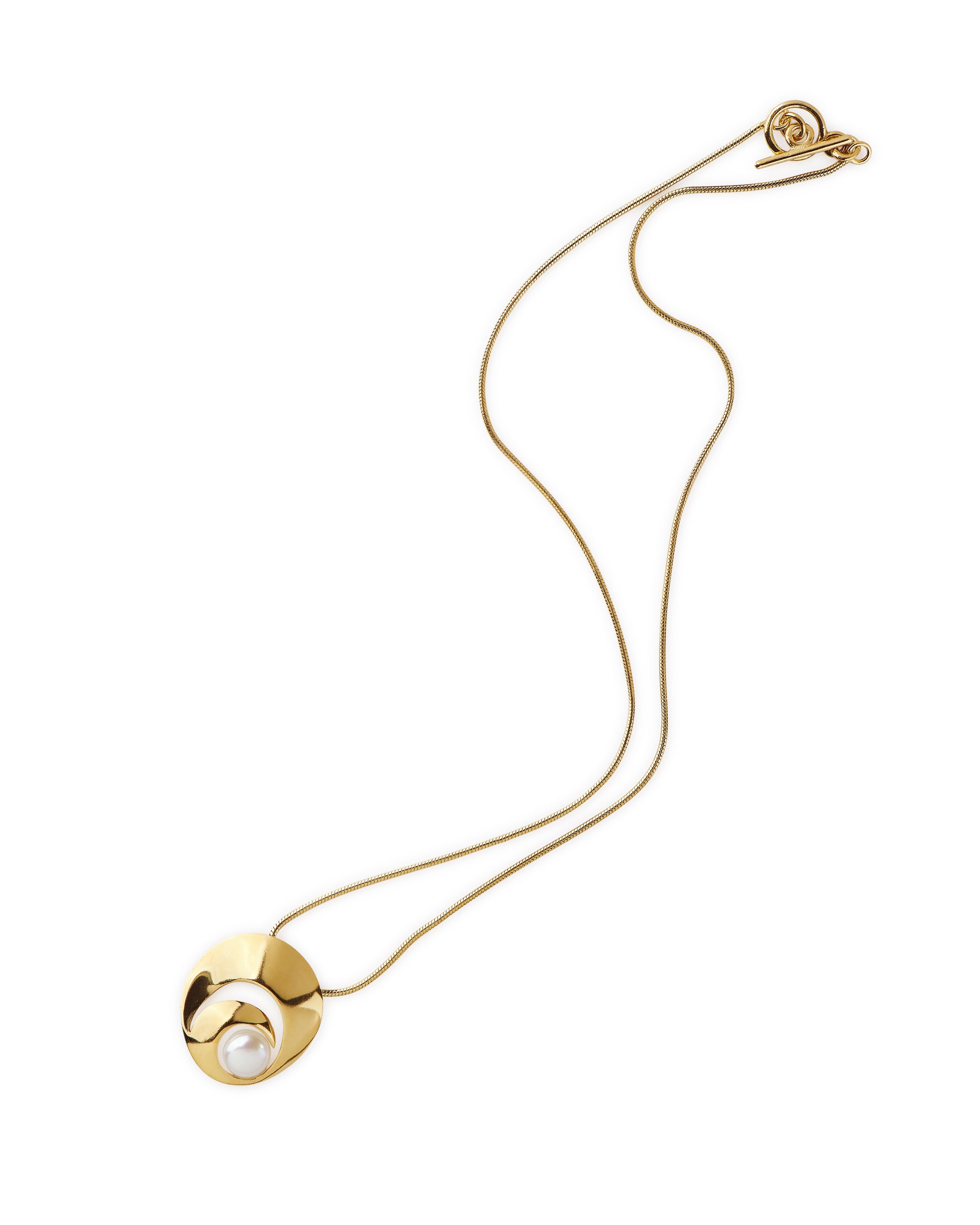

Colar Pearl Shell Polido
Peso: 9.2g Materiais: Prata 925, banho de ouro 24k, pérola barroca Acabamento: Polido Comprimento: 43 cmRegular price €148,00Sale price €148,00 Regular priceUnit price per


Mais sobre esta coleção
There is a language older than any style or trend: mathematics. The Fibonacci sequence — where each number is the sum of the two preceding ones — generates the golden ratio, and the golden ratio generates the logarithmic spiral. The same spiral found in the nautilus shell, in sunflowers, in galaxies. All the pieces in this collection are born from this invisible yet universal order. Not as an intellectual exercise — but as a starting point for shapes that the eye recognizes as right, even without knowing why.
Vangloria Jewelry Design has been working with this vocabulary since its foundation in 2011. Vanessa Pires, the brand's creator, found in mathematical geometry a language capable of uniting the rigor of artisanal jewelry with the ambition of a design that transcends mere decoration. The result is 53 pieces — distributed across six collections, each with its own personality — that share the same root and behave as a coherent system. Certified by the Contrastaria da Imprensa Nacional — Casa da Moeda since 2014. Handcrafted. Designed to last.
Who is it for
This collection exists for those who find beauty in the order of things. For those who look at a shell and see mathematics, for those who recognize in 20th-century architecture the same principles that build a flower. It's not necessary to know Fibonacci to wear one of these jewels — but knowing it changes the way one looks at them.
It is also the most complete collection in terms of jewelry type and investment scale: from the Mini Nautilus Toujour Earrings (from €74) to the Mirabilis Bracelet (€370), including rings, necklaces, brooches, and cufflinks. There is an entry point for those discovering the brand and there are pieces for those who already collect and want to go deeper. You can explore by jewelry type using the filters, or let yourself be guided by the collection that resonates most with you.
How to choose
Each collection within this selection has a distinct visual identity — and understanding these differences is the most direct path to the right piece. The Nautilus universe — which includes Toujour, Extended, Dourado, and Party — is the most extensive and most directly translates the logarithmic spiral into jewelry form: shapes that grow from a center, with movement and depth. **Namur** comes from architecture — straight lines, defined angles, contained presence that asserts itself without demanding attention. **Phi Progressions** is the most rhythmic: shapes that repeat with progressive variation, like a sequence that advances. **Golden Spiral** translates the spiral into gold — brighter, warmer, with finishes that play with light. **Mirabilis** is the most organic — shapes that evoke nature without directly imitating it. **Pearl Shell** starts from the shell, but refines it to its geometric essence.
For quick guidance: if you are looking for versatility for daily wear, the Nautilus Toujour Rings and Earrings or the Golden Spiral I Earrings (from €86) are safe starting points. If you are looking for a more prominent piece for special occasions, the Mirabilis Long Earrings (€246), the Nautilus Party Earrings (from €180), or the Phi Progressions Necklaces (from €209) have the scale and visual statement that justify the context. For gender-neutral wear or professional contexts, the Golden Spiral Cufflinks (from €135) and the Namur Brooch (€135) are choices with their own character.
Frequently Asked Questions
What are the golden ratio and the Fibonacci sequence — and how do these principles become visible in a piece of jewelry?
The Fibonacci sequence is a numerical progression where each number is the sum of the two preceding ones — 1, 1, 2, 3, 5, 8, 13... — and the ratio between consecutive numbers in this sequence always approaches 1.618, the number known as the golden ratio or golden number. This proportion generates the logarithmic spiral: the same shape that appears in the nautilus shell, in the arrangement of sunflowers, in spiral galaxies. In Vangloria jewelry, these principles are not merely referenced — they are structural. The curvature of the Nautilus, the rhythm of the Phi Progressions, the progression of the Golden Spiral are born directly from these equations, translated into 925 silver and gold by hands that know metal.
How does the nautilus spiral transform into a jewelry design — what is Vangloria's process from inspiration to the final piece?
The starting point is always conceptual: Vanessa Pires doesn't begin with the final form, but with the idea that generates it. In the case of the Nautilus, the logarithmic spiral is first studied in its mathematical proportions — the ratio between each turn, the way it grows without altering its shape. From there, a three-dimensional language is developed that interprets this proportion in metal: how to bend the silver so that the curvature is mathematically correct, how to calibrate the weight so that the piece sits well on the skin, how to preserve the movement of the spiral in a static object. Each piece goes through multiple iterations in the workshop before reaching its final form — and it is this process, not just the result, that the Casa da Moeda certification attests to as an author's work.
What is the difference between the Nautilus, Phi Progressions, Golden Spiral, and Mirabilis collections — they all have a mathematical root, but what distinguishes each one?
They share the same grammar but speak with distinct accents. Nautilus is the most direct translation of the logarithmic spiral — shapes that grow from a central point, with depth and movement; it exists in several versions (Toujour, Extended, Party, Dourado) that vary in scale and finish. Phi Progressions works with numerical progression as visual rhythm — forms that advance, that have direction; it is the most architectural of the four. Golden Spiral focuses on the golden spiral, with a 24k gold finish that amplifies light and gives the pieces a warmer, more luminous presence. Mirabilis is the most organic: it starts from the same mathematical principles but translates them into forms that evoke nature — shells, petals, movement — without ever losing its underlying geometric rigor.
A jewel with a mathematical concept risks being too intellectual or cold — do these pieces have visual warmth, or are they purely geometric?
This is perhaps Vangloria's most interesting tension — and the way it resolves it is what distinguishes its work. Mathematics is the skeleton, not the surface. What is seen and worn is a piece with an organic presence: the Nautilus spiral has movement, the Mirabilis Long Earrings have fluidity, the Pearl Shell has the softness of a natural form. The rigor lies in the proportion, not in the final appearance. Those who wear these jewels don't need to explain Fibonacci — the geometry makes itself felt as something right, not as something calculated.